
The Metro: Why property taxes are preventing people from moving to Detroit

Attracting more people to the city means more tax revenue for Detroit. But new residents are discouraged by high property taxes.
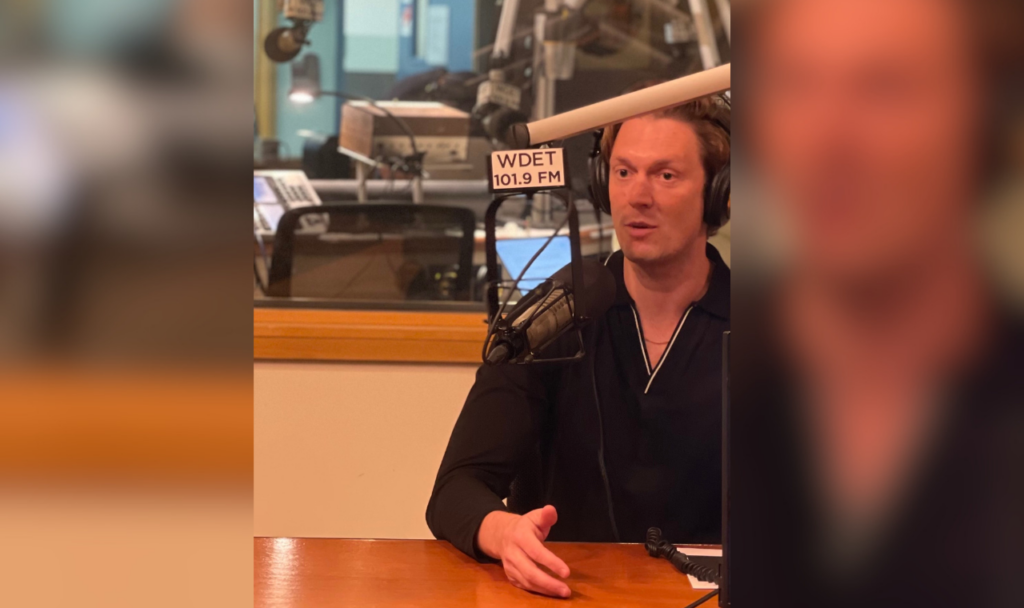
Kevin Bain

Kevin Bain is the chief financial officer for Public Sector Consultants, and a former debt manager for the city of Detroit.


If you’re a leader in Detroit, your attention is trained on a big task: attract more people to the city. 

That’s for good reason — with more people comes more tax revenue. With more revenue, Detroit can provide better social services, quicker Detroit Department of Transit buses, more paved roads, and working streetlights.

But the city is running into a problem when it comes to increasing its population: High property taxes. 

Because property taxes are capped until a property is sold, homebuyers in Detroit neighborhoods that have become more desirable bear the burden of potentially very high taxes. As an example, hundreds of homes will see their taxes climb above $10,000. That’s according to an Outlier Media estimate of the city’s 2026 tax roll. 

So what does it mean when the system rewards staying still and punishes moving in? What does that do to a city trying to grow?

Kevin Bain is the chief financial officer for Public Sector Consultants, and a former debt manager for the city of Detroit. He spoke with The Metro‘s Robyn Vincent.

Listen to The Metro weekdays from 10 a.m. to noon ET on 101.9 FM and streaming on demand.

Subscribe to The Metro on Apple Podcasts, Spotify, NPR.org or wherever you get your podcasts.

Support local journalism.

WDET strives to cover what’s happening in your community. As a public media institution, we maintain our ability to explore the music and culture of our region through independent support from readers like you. If you value WDET as your source of news, music and conversation, please make a gift today.

More stories from The Metro

Authors

  • Sam Corey is a producer for 101.9 WDET, which includes finding and preparing interesting stories for the daily news, arts and culture program, The Metro. Sam joined WDET after a year and a half at The Union, a small newspaper in California, and stints at a variety of local Michigan outlets, including WUOM and the Metro Times. He is a graduate of the University of Michigan and the University of Chicago.
  • The Metro