The Metro: Lyme disease cases surge as ticks expand into Southeast Michigan
Learn about prevention, diagnosis, and treatment of Lyme disease carried by the blacklegged tick aka the deer tick in Michigan from researchers.
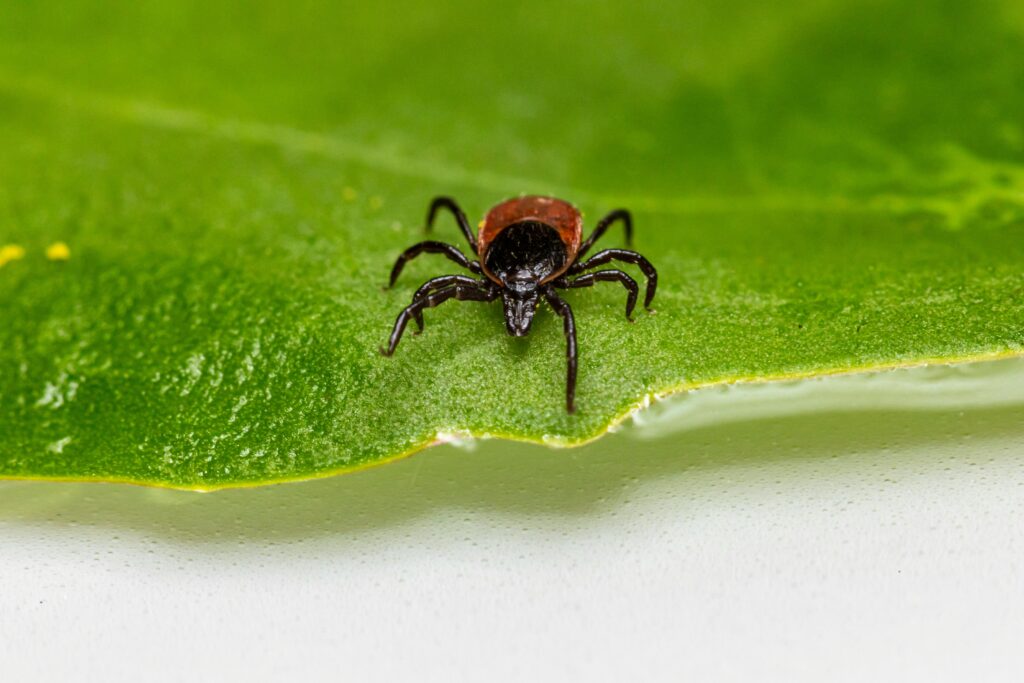
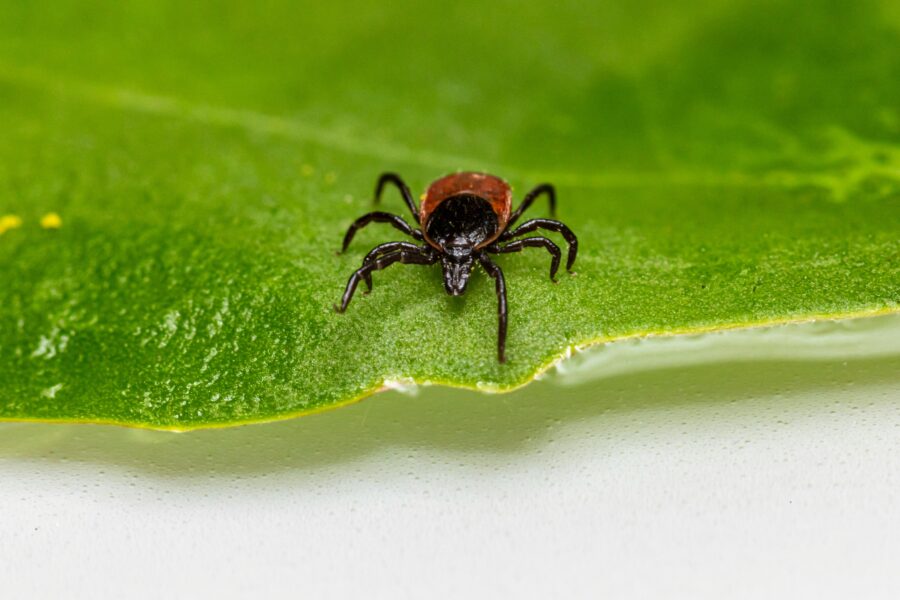
A black legged tick or deer tick is a vector for Lyme disease. Recently, their populations have surged in Southeast Michigan.
Reported Lyme Disease cases in Michigan nearly quadrupled between 2022 and 2025.
Blacklegged ticks (deer ticks), which transmit Lyme Disease hitch rides on hosts like white-tailed deer to migrate across the state. The disease is now endemic across much of southern Michigan, including Southeast Michigan.
In areas where Lyme disease is prevalent, it’s estimated up to 50% of adult deer ticks harbor the bacteria that causes Lyme Disease, Borrelia burgdorferi.
Blacklegged ticks are most commonly found in heavily wooded areas with lots of brush or dry leaf piles.
Identification
There are several kinds of ticks in Michigan, including the dog tick. Only Blacklegged ticks (Deer ticks) carry Lyme disease, so identifying the species of tick, if possible, is an important part of diagnosis.
Prevention
There are several prevention methods that, used together, help reduce tick bites. Follow safety instructions with particular attention for children and pets.
- Daily tick checks after spending time outdoors where ticks are prevalent
- Apply EPA-approved insect repellents such as DEET, Picaridin, and Oil of Lemon Eucalyptus,
- Treat clothes with Permethrin
- Wear light-colored clothing and tuck your pants into your socks.
Symptoms
Lyme disease symptoms may include rashes, muscle or joint pain, headaches, and even neurological issues such as Bell’s palsy (facial paralysis). If you’ve been bitten by a tick or suspect that you have, doctors can administer an prophylactic dose of doxycycline within 72 hours to reduce the chances of contracting Lyme.

However, if you miss this window, duration of treatment with antibiotics goes up as time from contracting illness and symptom severity increases.
Guests
- Dr. Jean Tsao, professor and tick researcher in Fisheries and Wildlife department at Michigan State University
- Dr. Peter Gulick, professor of Medicine at Michigan State University