The Metro: Coal and ‘The Big Myth’ of the free market

Harvard historian Naomi Oreskes explains why Washington is spending millions to prop up coal — and what it reveals about politics, power, and the free market.
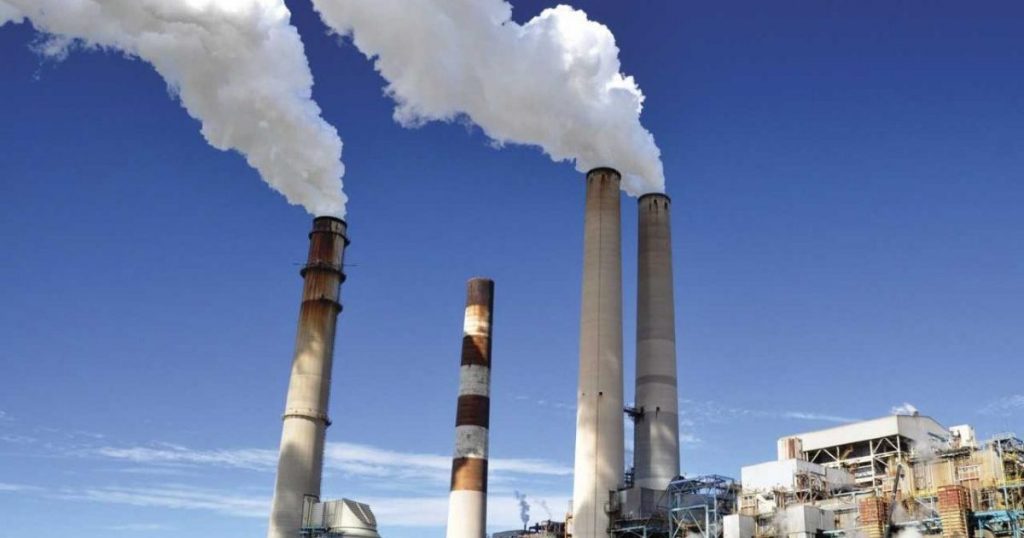

coal fired power plant

For nearly 20 years, the U.S. has been closing its coal mines. Coal became too expensive, and gas, solar, and wind power are cheaper and more efficient options. Now, the Trump administration is spending roughly $700 million to revive the coal market, using a 1950 wartime law. 

The people behind this shift are often the ones who say the market should dictatee decisions and the government should stay out of it. They argue the shift is practical, citing rising power demand from AI data centers and the need for reliable electricity.

Naomi Oreskes, a historian of science at Harvard and author of “The Big Myth,” believes other factors are at play. “I think the important point to make here is that there is no rational economic, social, or environmental argument for sustaining coal as a primary fuel, and certainly not for reopening closed coal plants,” she said. 

Oreskes joined host Robyn Vincent on The Metro to talk about the Trump administration’s move to revive the coal industry and how politics and power factor into what we believe is practical — or possible. 

Hear the full conversation using the media player above.

Listen to The Metro weekdays from 10 a.m. to noon ET on 101.9 FM and stream on-demand.

Never miss an episode — subscribe to The Metro on Apple Podcasts, Spotify, YouTube, NPR, or wherever you get your podcasts.

Support the podcasts you love.

One-of-a-kind podcasts from WDET bring you engaging conversations, news you need to know and stories you love to hear. Keep the conversations coming. Please make a gift today.

More stories from The Metro

Authors

  • Robyn Vincent
    Robyn Vincent is the co-host of The Metro on WDET. She is an award-winning journalist, a lifelong listener of WDET, and a graduate of Wayne State University, where she studied journalism. Before returning home to Detroit, she was a reporter, producer, editor, and executive producer for NPR stations in the Mountain West, including her favorite Western station, KUNC. She received a national fellowship from Investigative Reporters and Editors for her investigative work that probed the unchecked power of sheriffs in Colorado. She was also the editor-in-chief of an alternative weekly newspaper in Wyoming, leading the paper to win its first national award for a series she directed tracing one reporter’s experience living and working with Syrian refugees.
  • The Metro