

WDET’s environmental reporting branches out in this series all about trees in Michigan. Reporters cover urban tree plantings, the state of forests management in Michigan and much more.
Tree coverage is supported by the Department of Natural Resources.
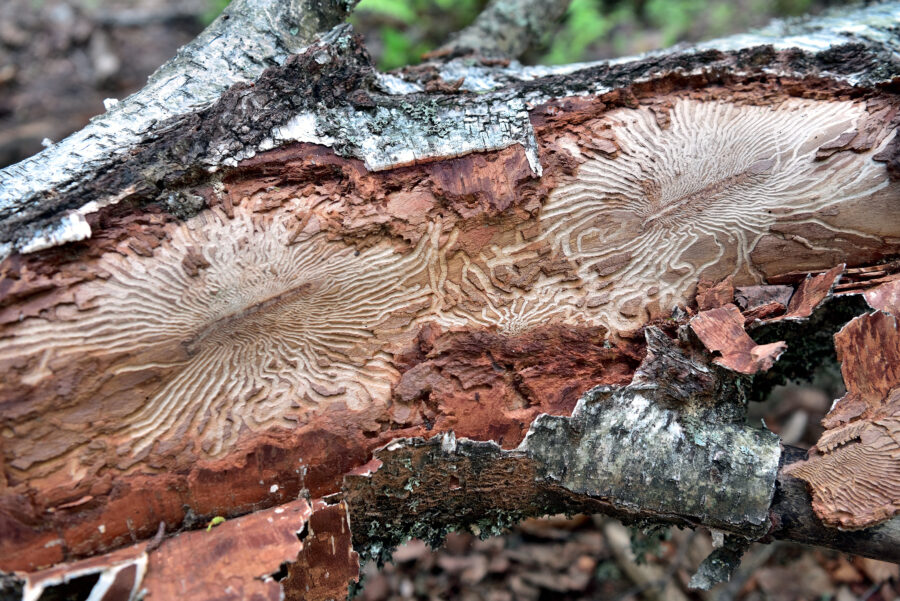
Insect and fungal infestation leads to tree removal and replanting on Wayne State University campus
Bark beetles and blue stain fungus left trees dying from drought in Gullen Mall. When Wayne State University’s Ground Services discovered the damage, the trees were beyond saving.
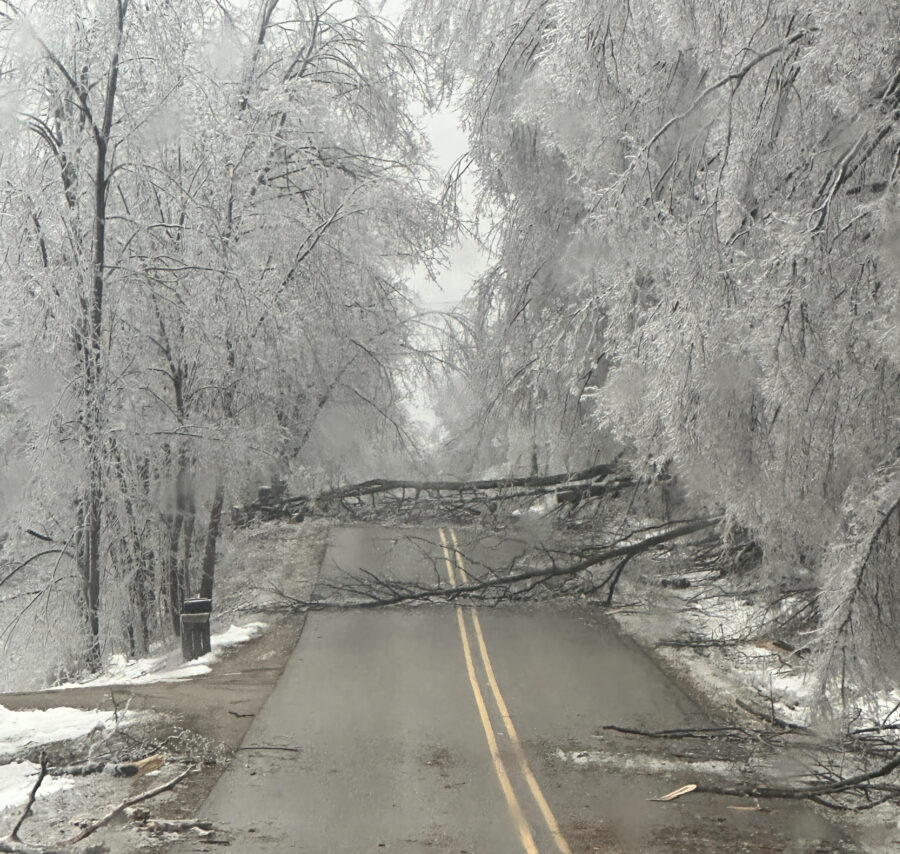
Northern Michigan forests have a long road to recovery after last year’s ice storm
Last March, a mixture of rain, freezing temperatures, and wind across 3 to 4 days caused irreversible damage to Northern Michigan forests. Michigan’s Department of Natural Resources says the restoration process is expected to take at least 5 years.
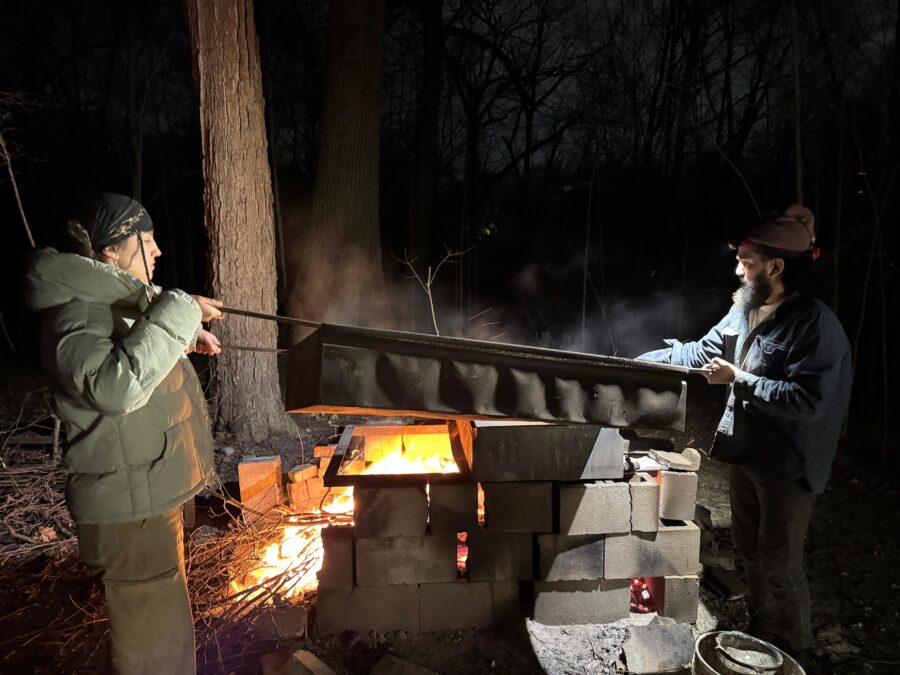
Maple tapping in the sugarbush: Indigenous ties and community building with Black to the Land
Mid-February through March marks sugarbush season in metro-Detroit. WDET’s Isaiah Lopez spoke to Rosebud Schneider and Black to the Land’s Antonio Cosme to learn about more about the practice.
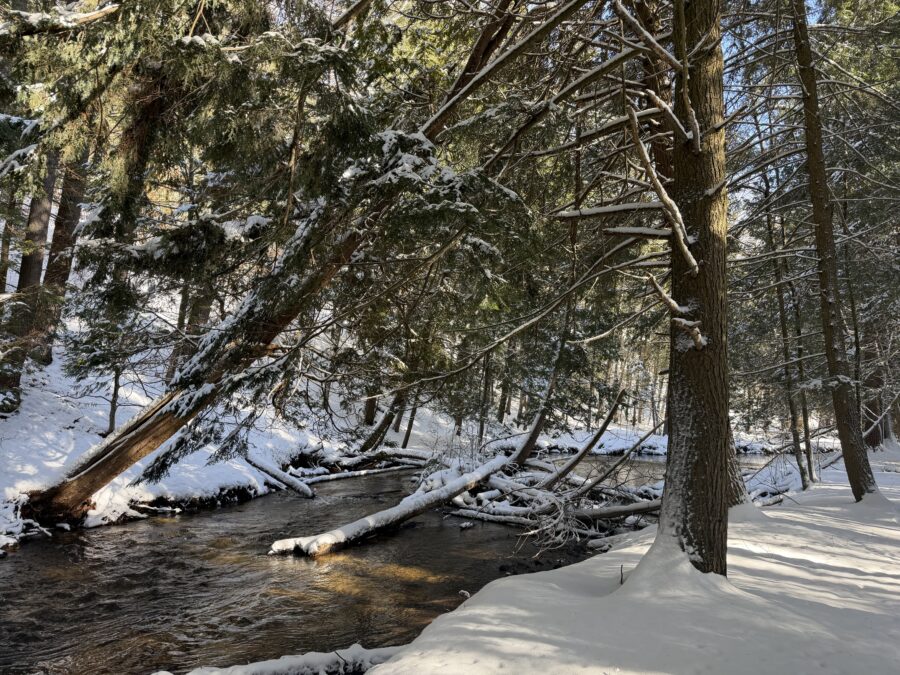
Grand Traverse Conservation District adds 560-acre East Creek Reserve
With 560 acres of land, East Creek Reserve contains 3.7 miles of public trails, over a mile of frontage on East Creek, and a diverse natural area.
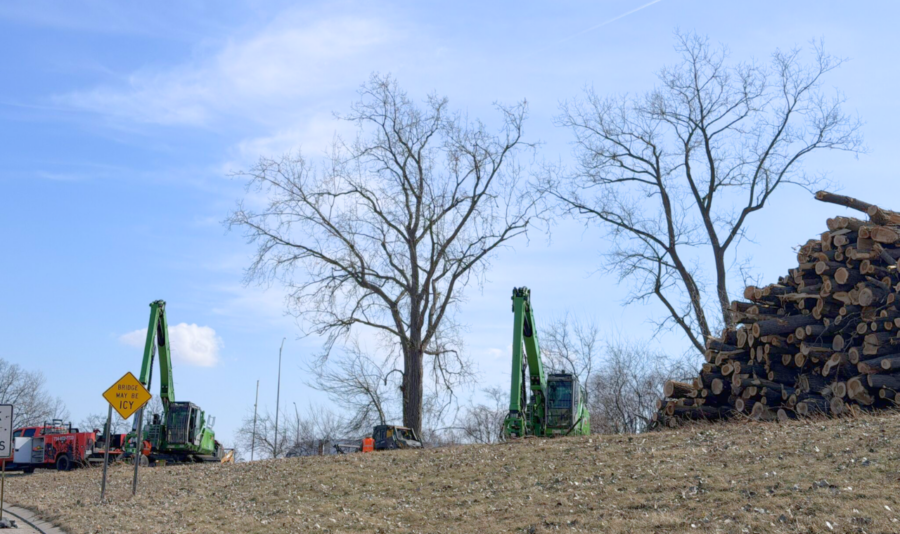
Project ‘Restore 94’ requires major tree clearance for highway reconstruction
As the Michigan Department of Transportation works to make necessary repairs to I-94, hundreds of trees are being removed near the Ecorse interchange.
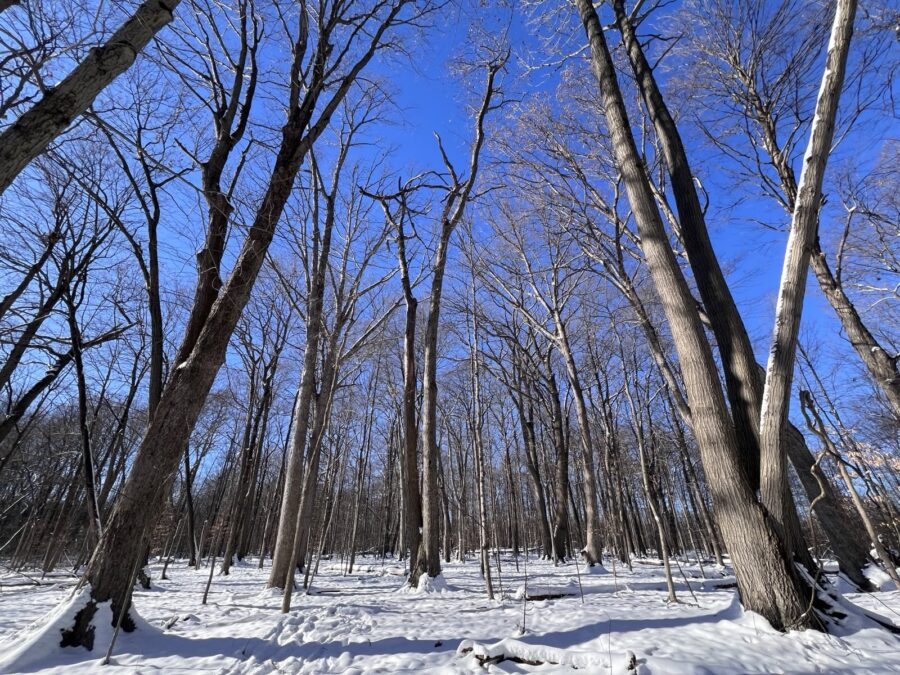
There were no reports of ‘exploding trees’ in Southeast Michigan this winter
Local arborist Luke Brunner says that low temperatures are far less dangerous to trees than heavy snow and ice.
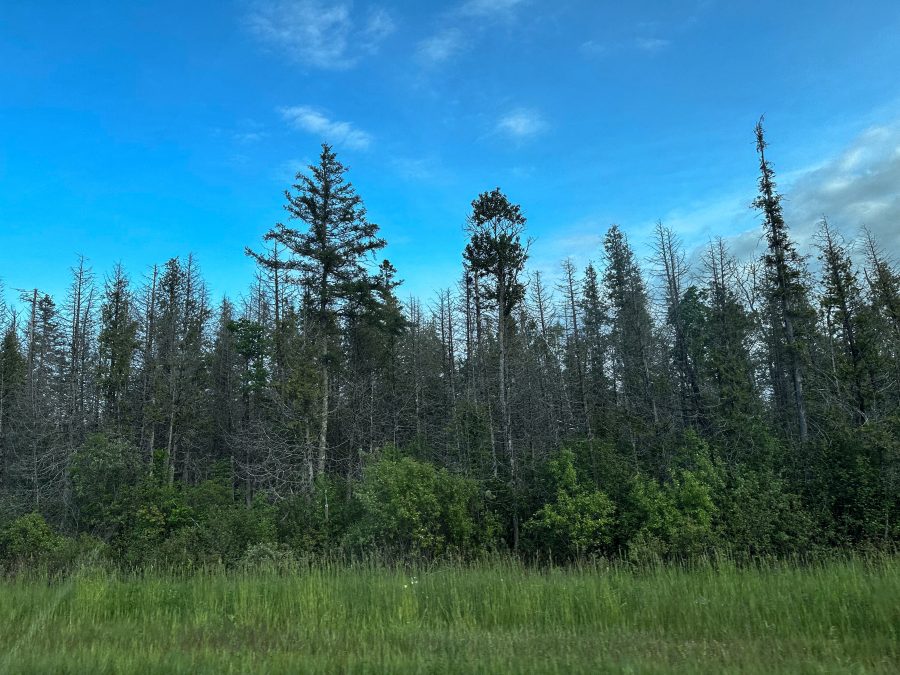
Humans thrive with trees, not computer screens, says new research
Those living in greener neighborhoods have lower risks of heart attacks, strokes, and other cardiovascular diseases.
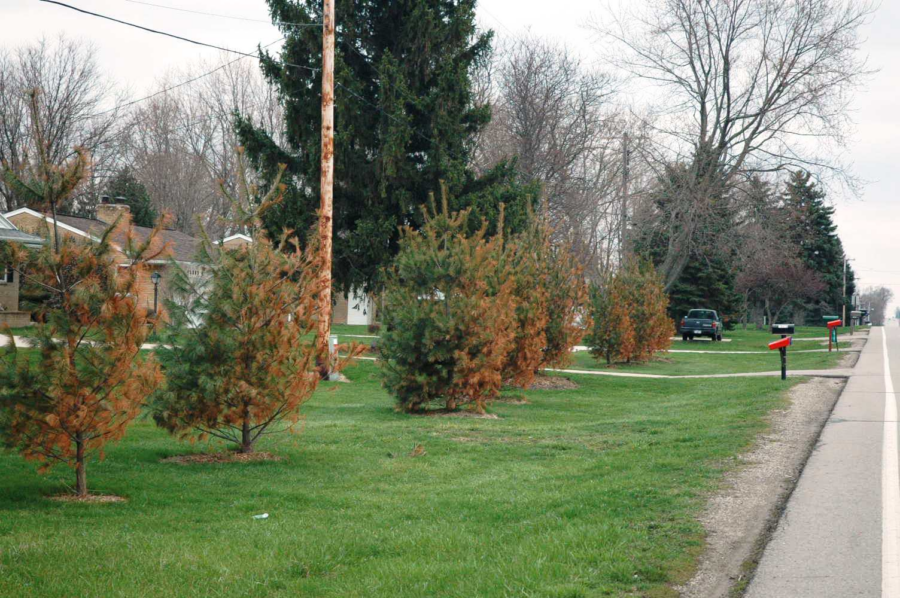
Understanding road salt damage to Detroit’s tree canopy
Sodium chloride, known as rock salt, is the most commonly used agent to remove ice from roads in Michigan, but its usage can pose environmental risks to urban landscaping.
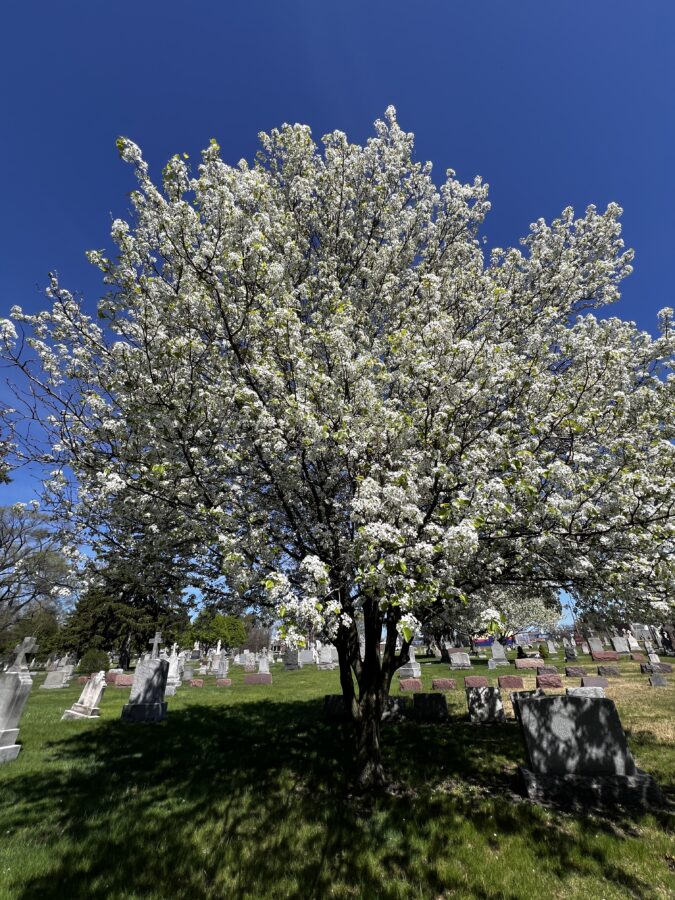
Callery Pear, Japanese barberry may be added to Michigan’s invasive species list
Officials state that these plants can pose risks to Michigan’s environment, economy, and public health.