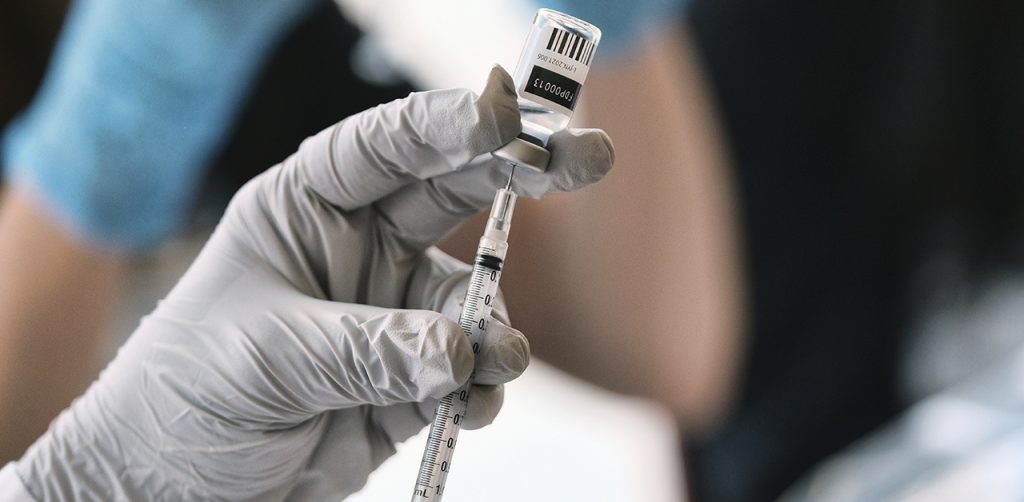
A survey finds Michigan voters concerned about an issue that might surprise some political candidates: the use of vaccines.
The data comes from the group Communities United for Smart Policy (CUSP).
CUSP spokesperson retired physician and former Texas Republican Congressman Michael Burgess says Michiganders will have vaccines in mind when they cast a ballot.
The following interview was edited for length and clarity.
Michael Burgess: There is a significant percentage of Republican voters, 35%, who might be less likely to support a candidate if they perceive them as not going to make vaccines available. That is a real concern for people.
It’s the same problem for Republican, Democrat and independent candidates. If their constituents perceive them as someone who’s going to put obstacles in their way to receiving vaccines for them or their children, it’s going to have a very negative effect on the perception of that candidate.
Quinn Klinefelter, WDET News: There’s been a lot of vaccine hesitancy among some people, especially since COVID and when the pandemic erupted. How are you finding voters responding now as to whether or not they trust vaccines? Especially in light of the changes with the U.S. Health and Human Services department, where some vaccines have been pretty well slammed by the current secretary.
MB: COVID messed a lot of things up, I think it’s safe to say that. And when I discuss vaccines, I’m generally careful to separate the two issues. But there was a lot of loss of confidence in our public health system during COVID. And part of the job, as I see it, for people going forward is to regain that confidence.
You don’t do that by calling everything into question and saying nothing that you believed before is actually accurate.
This country has a pretty long history of successfully dealing with what are broadly termed as “vaccine preventable diseases.” And most of the public recognizes that and does not want to go back to a time when those vaccine preventable diseases are prevalent, because they don’t have to be. The vaccines are there, they’re safe and they’re effective. And they will protect against measles, mumps, rubella, meningitis, hepatitis B. There are a number of illnesses that just don’t generally cross the threshold of recognition for people because they haven’t had to worry about them for so long.
QK: As you look towards the midterm elections, there are a lot of people worried about affordability problems, rising prices, the war underway now with Iran, all sorts of other issues. Do you think whether or not someone believes a candidate will either push or put up obstacles to vaccine use is going to really make a difference in how they will vote?
MB: Yes, it will. Maybe not in every voter’s mind in every race, but it will make a difference. Everything’s all about the midterms right now. And there’s a reason for that, because depending upon how the midterms turn out, the direction of the country going forward could look vastly different. And it can hinge on a very few number of votes in selected states. So that’s why there’s so much emphasis on this.
QK: Again, I will hear some people say they just don’t trust what a particular government agency will put out, one way the other, in regards to vaccines and whether they’re usable or not. Do you see a way to rebuild trust in vaccines? Or is it good to have more of a skeptical look at them?
MB: Well, the lack of faith in institutions was going on even before the COVID years. That’s real, it’s significant, and guess what? These illnesses have not gone away. And that’s why you saw the numbers that you did in the polling that say “hey, I might not support someone who would prevent me from accessing what has been broadly perceived as protective for myself and my family.”
Editor’s Note: A typo in the top excerpt listed CUSP as “Communities United for Smart Politics”. It has been corrected to Communities United for Smart Policy” as of 5/8/2026. We apologize for the error.