
Study finds massive drop in Michigan’s biodiversity over the centuries
Callum Johnston October 26, 2026Dr. Carolyn Copenheaver saw a significant loss in Michigan’s biodiversity due to development. Classrooms in Wisconsin may have a classroom model to address this shared Midwest issue.
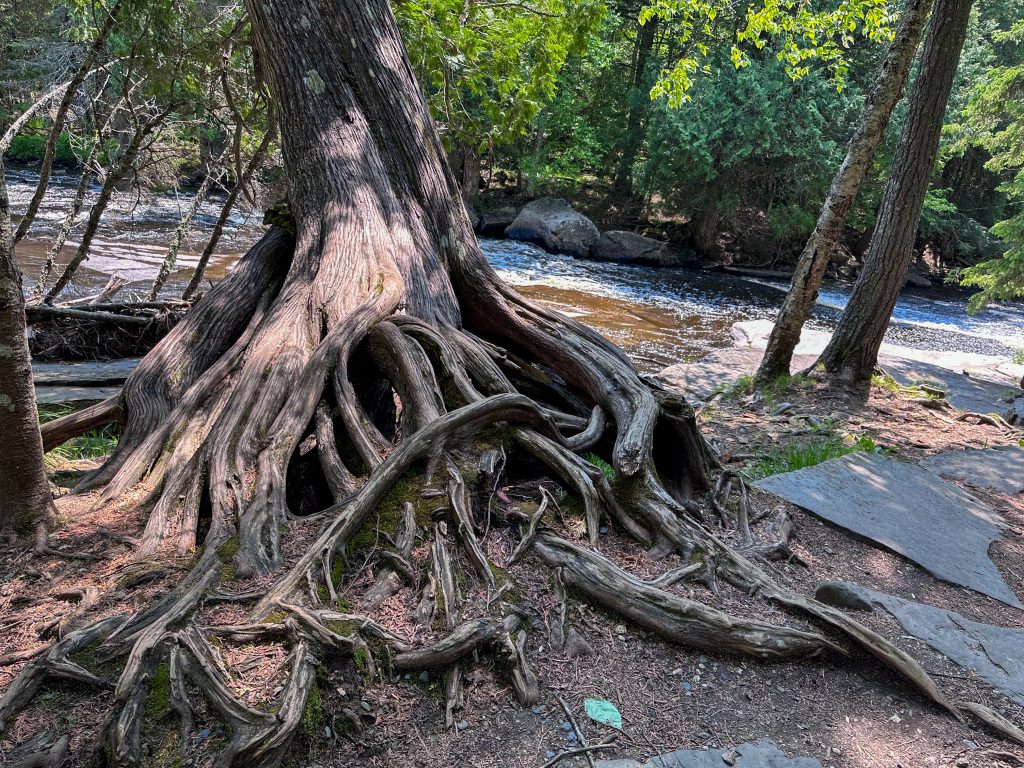
Trees along the trail at Canyon Falls Roadside Park, located off US-41 south of L'Anse in Michigan’s Upper Peninsula.

Michigan has a lot less diversity among tree species now than it did 200 years ago according to a Virginia Tech study.
Dr. Carolyn Copenheaver led the study, which used botanical survey records from the 1800s to analyze changes in midwestern biodiversity across centuries.
Michigan is one of the states found to have a huge change in biodiversity. It’s biodiversity dropped significantly since the early 19th century, as land rich in tree species were developed for agricultural or urban use.
Dr. Copenheaver says local governments can look to the historical land survey records used in her study to create conservation and restoration guidelines.
Also among the states with the greatest drops in biodiversity is Wisconsin.
Gina Smith of the Wisconsin Center for Environmental Education is working with youth to combat the issue. In a lesson plan designed for fifth graders, students measure tree trunk size and observe species richness in the trees around their schools.
“They also explore the species that they are, and they look and analyze: do we have a diverse forest here? If we don’t, what are suggestions that we could provide people in our community for trees that they could plant so that we have a more diverse forest in our urban area?”
Gina Smith hopes the next generation will continue to fight for more biodiversity in their communities.
This story is a part of WDET’s ongoing series, the Detroit Tree Canopy Project.